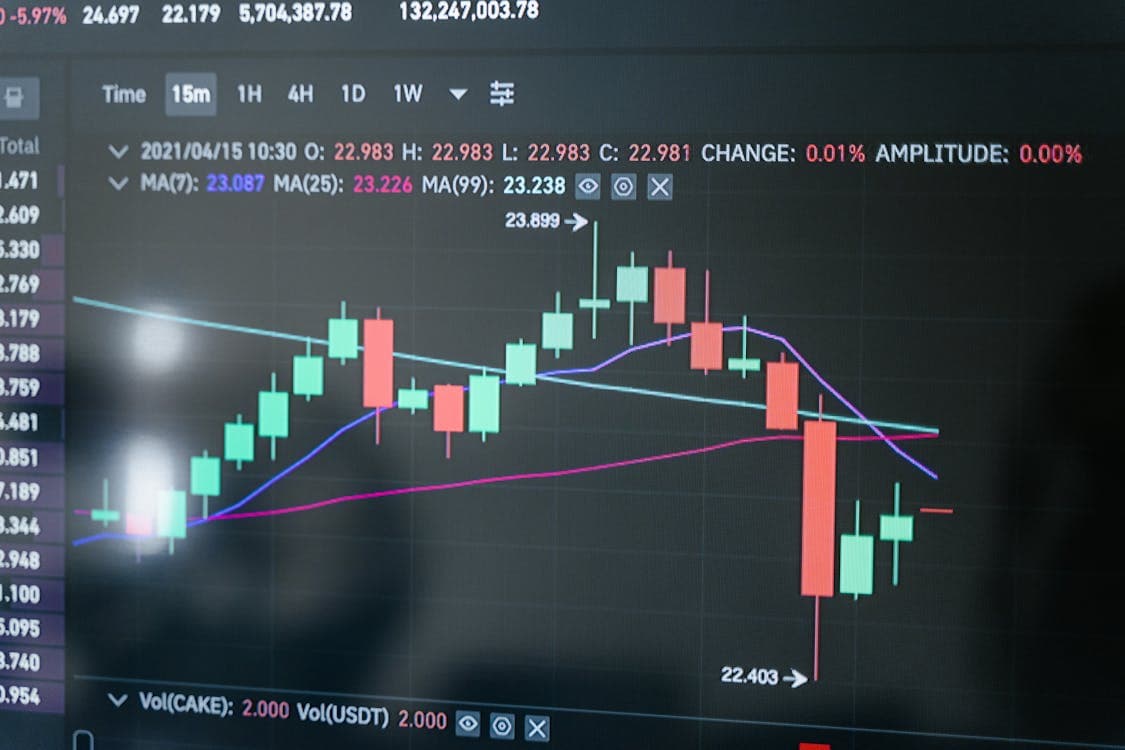
Macroeconomics — Rate unemployment, Supply inflation (extended)
IntermediateMacroeconomics is the branch of economics that studies the behavior, structure, and performance of an economy as a whole rather than focusing on individual markets or actors. It examines aggregate phenomena such as national output (GDP), unemployment rates, inflation, and the balance of trade. By analyzing these large-scale indicators, macroeconomists seek to understand why economies grow, why they sometimes contract, and what forces drive the business cycle from expansion through recession and recovery.
The foundations of modern macroeconomics were laid by John Maynard Keynes during the Great Depression of the 1930s, when classical economic theory failed to explain prolonged mass unemployment. Keynes argued that aggregate demand, the total spending in an economy, was the primary driver of economic output and employment. His ideas gave rise to Keynesian economics, which justified government intervention through fiscal policy. Since then, competing schools of thought, including Monetarism championed by Milton Friedman, New Classical economics, and New Keynesian synthesis, have enriched the field with debates over the effectiveness of policy, the role of expectations, and the self-correcting nature of markets.
Today, macroeconomics plays a central role in public policy and global affairs. Central banks use monetary policy tools such as interest rate adjustments and quantitative easing to manage inflation and stabilize economies. Governments deploy fiscal policy, adjusting taxation and spending, to stimulate growth or cool overheating economies. Understanding macroeconomic principles is essential for interpreting economic news, evaluating policy proposals, making informed investment decisions, and grasping how interconnected the global economy has become through trade, capital flows, and international monetary systems.
Practice a little. See where you stand.
Quiz
Reveal what you know — and what needs work
Adaptive Learn
Responds to how you reason, with real-time hints
Flashcards
Build recall through spaced, active review
Cheat Sheet
The essentials at a glance — exam-ready
Glossary
Master the vocabulary that unlocks understanding
Learning Roadmap
A structured path from foundations to mastery
Book
Deep-dive guide with worked examples
Scenarios
Apply your knowledge to real-world cases
Key Concepts

One concept at a time.
Explore your way
Choose a different way to engage with this topic — no grading, just richer thinking.
Explore your way — choose one:
Curriculum alignment— Standards-aligned
Grade level
Learning objectives
- •Analyze aggregate demand and supply models to explain business cycles, inflation, unemployment, and economic growth dynamics
- •Evaluate monetary policy tools including interest rates, open market operations, and quantitative easing for macroeconomic stabilization
- •Apply Keynesian, monetarist, and new classical frameworks to debate fiscal policy effectiveness and government intervention tradeoffs
- •Compare GDP measurement approaches, national income accounting, and alternative welfare indicators for assessing economic performance
Recommended Resources
This page contains affiliate links. We may earn a commission at no extra cost to you.
Books
Macroeconomics
by N. Gregory Mankiw
The General Theory of Employment, Interest and Money
by John Maynard Keynes
A Monetary History of the United States, 1867-1960
by Milton Friedman & Anna Schwartz
The Return of Depression Economics and the Crisis of 2008
by Paul Krugman
Related Topics
Microeconomics
The study of how individuals, firms, and markets allocate scarce resources, focusing on supply, demand, pricing, and market structures.
International Trade
The study of how goods, services, and capital flow across national borders, including the theories, policies, and institutions that shape global commerce.
Public Finance
The study of how governments raise revenue through taxation, allocate spending, and manage public debt to provide public goods and services while balancing efficiency and equity.
Econometrics
The application of statistical and mathematical methods to economic data to test theories, estimate causal relationships, and forecast economic trends.
Behavioral Economics
The study of how psychological factors influence economic decisions, combining insights from psychology and economics.
Financial Markets
The study of organized systems where financial assets are traded, including stock exchanges, bond markets, forex, and derivatives markets.
Macroeconomics
The study of economy-wide phenomena including GDP, inflation, unemployment, and the policies governments and central banks use to manage economic performance.