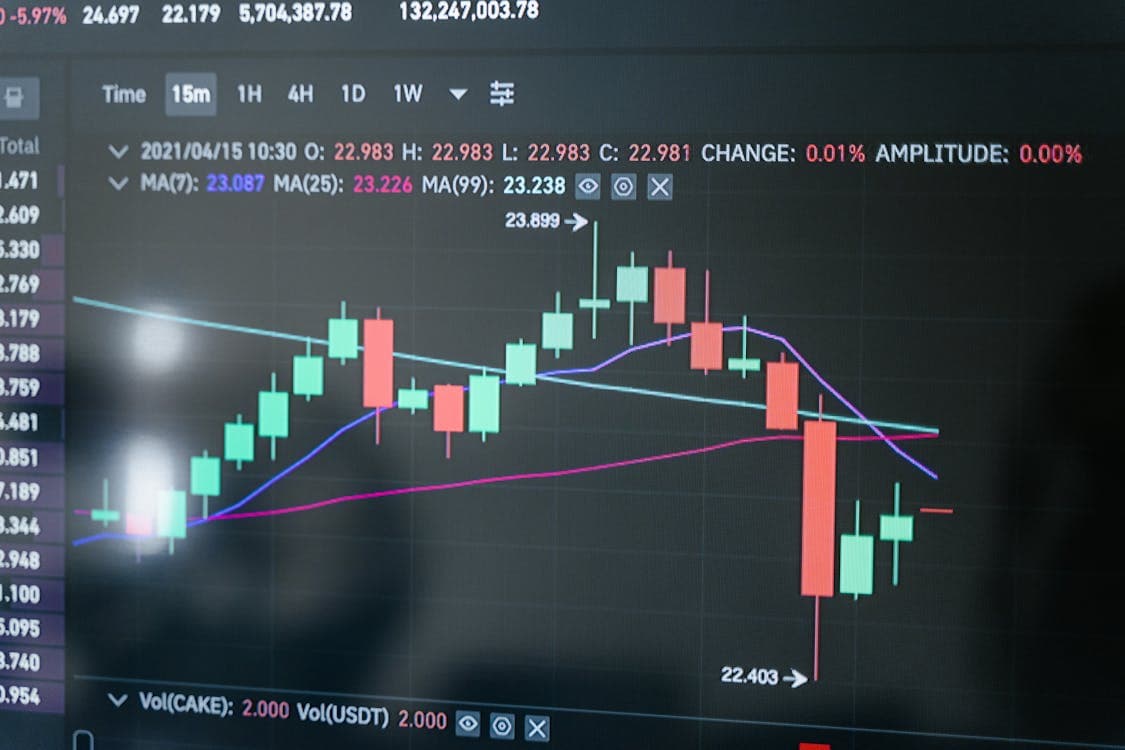
Global economics is the study of how nations, international institutions, and multinational enterprises interact within the worldwide economic system. It examines the flows of goods, services, capital, and labor across borders, as well as the policies and agreements that govern international trade, finance, and development. By analyzing exchange rates, trade balances, foreign direct investment, and the role of organizations such as the World Trade Organization, International Monetary Fund, and World Bank, global economics provides a framework for understanding the forces that shape prosperity and inequality among nations.
A central concern of global economics is the tension between free trade and protectionism. Classical theories from Adam Smith and David Ricardo demonstrated that nations benefit from specializing in goods for which they have a comparative advantage, yet real-world trade policy is shaped by political interests, strategic industries, and distributional consequences. Modern global economics also addresses the rise of regional trade blocs such as the European Union, USMCA, and RCEP, the growing influence of emerging markets like China and India, and the complex supply chains that link producers and consumers across continents.
In the twenty-first century, global economics must grapple with challenges that transcend national borders: climate change and the transition to sustainable energy, digital trade and data governance, sovereign debt crises, income inequality both within and between countries, and the economic fallout from pandemics and geopolitical conflicts. Understanding these interconnected issues is essential for policymakers, business leaders, and citizens who wish to navigate an increasingly integrated yet volatile world economy.