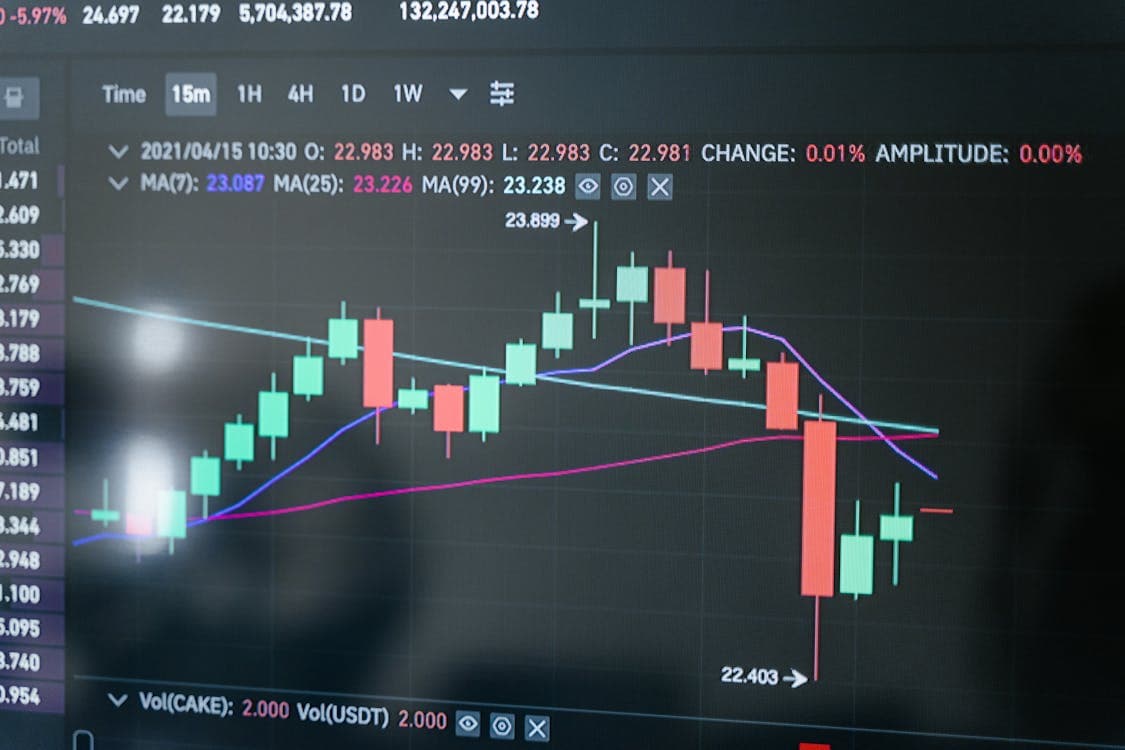
Economics
IntermediateEconomics is the social science that studies how individuals, businesses, governments, and societies allocate scarce resources to satisfy unlimited wants and needs. At its core, economics examines the choices people make when faced with trade-offs, analyzing the production, distribution, and consumption of goods and services. The discipline is traditionally divided into two major branches: microeconomics, which focuses on the behavior of individual consumers, firms, and industries, and macroeconomics, which examines the economy as a whole, including national output, unemployment, and inflation. Understanding economics provides essential tools for interpreting the forces that shape everyday life, from the prices we pay at the grocery store to the interest rates set by central banks.
The study of economics equips learners with powerful analytical frameworks for understanding market dynamics and public policy. Concepts such as supply and demand, opportunity cost, and marginal analysis form the foundation for evaluating how markets function and why they sometimes fail. Market structures ranging from perfect competition to monopoly illustrate how the number of sellers, barriers to entry, and product differentiation influence pricing and efficiency. Meanwhile, macroeconomic indicators like gross domestic product, inflation rates, and unemployment figures provide a dashboard for assessing the health of national and global economies. Fiscal policy, enacted through government spending and taxation, and monetary policy, implemented by central banks through interest rate adjustments and money supply management, represent the primary levers governments use to stabilize economic fluctuations.
Beyond domestic concerns, economics addresses critical global issues including international trade, exchange rates, economic development, and income inequality. Theories of comparative advantage explain why nations benefit from specializing in the production of goods where they have the lowest opportunity cost, while trade policies such as tariffs and quotas reveal the tensions between free trade and protectionism. Market failures arising from externalities, public goods, information asymmetry, and monopoly power demonstrate situations where unregulated markets produce inefficient outcomes, providing justification for government intervention. Whether you are a student, professional, policymaker, or informed citizen, a solid grounding in economics sharpens your ability to evaluate evidence, think critically about incentives, and participate meaningfully in debates about the most pressing challenges facing modern societies.
Practice a little. See where you stand.
Quiz
Reveal what you know — and what needs work
Adaptive Learn
Responds to how you reason, with real-time hints
Flashcards
Build recall through spaced, active review
Cheat Sheet
The essentials at a glance — exam-ready
Glossary
Master the vocabulary that unlocks understanding
Learning Roadmap
A structured path from foundations to mastery
Book
Deep-dive guide with worked examples
Calculator
Run the numbers and build intuition
Scenarios
Apply your knowledge to real-world cases
Key Concepts
One concept at a time.
Explore your way
Choose a different way to engage with this topic — no grading, just richer thinking.
Explore your way — choose one:
Curriculum alignment— Standards-aligned
Grade level
Learning objectives
- •Explain fundamental economic principles including supply and demand, opportunity cost, and market equilibrium mechanisms
- •Apply microeconomic models to analyze consumer behavior, firm strategy, and market structure outcomes under competition
- •Analyze macroeconomic indicators including GDP, inflation, and unemployment to assess overall economic health and policy impacts
- •Evaluate fiscal and monetary policy tradeoffs and their effectiveness in stabilizing economies during recessions and expansions
Recommended Resources
This page contains affiliate links. We may earn a commission at no extra cost to you.
Books
Principles of Economics
by N. Gregory Mankiw
Economics
by Paul Krugman and Robin Wells
The Wealth of Nations
by Adam Smith
Freakonomics: A Rogue Economist Explores the Hidden Side of Everything
by Steven D. Levitt and Stephen J. Dubner
Related Topics
Microeconomics
The study of how individuals, firms, and markets allocate scarce resources, focusing on supply, demand, pricing, and market structures.
Macroeconomics
The study of economy-wide phenomena including GDP, inflation, unemployment, and the policies governments and central banks use to manage economic performance.
Finance
The study of how individuals, businesses, and institutions manage money, investments, and risk, encompassing corporate finance, financial markets, portfolio management, and personal financial planning.
Behavioral Economics
The study of how psychological factors influence economic decisions, combining insights from psychology and economics.
Political Science
The study of governments, political systems, power dynamics, and public policy, examining how societies organize authority and make collective decisions.
Statistics
The science of collecting, analyzing, and interpreting data using descriptive measures, inferential methods, and probability theory to draw meaningful conclusions and inform decision-making.