Debt & Leverage
IntermediateDebt and leverage are foundational concepts in finance that describe how individuals and businesses use borrowed money to amplify their purchasing power and potential returns. Debt refers to any obligation to repay borrowed funds, typically with interest, and comes in many forms including secured debt (backed by collateral like a house or car), unsecured debt (backed only by the borrower's creditworthiness), revolving credit lines, and fixed-term loans. Leverage specifically describes the strategy of using borrowed capital to increase the potential return on an investment or business operation.
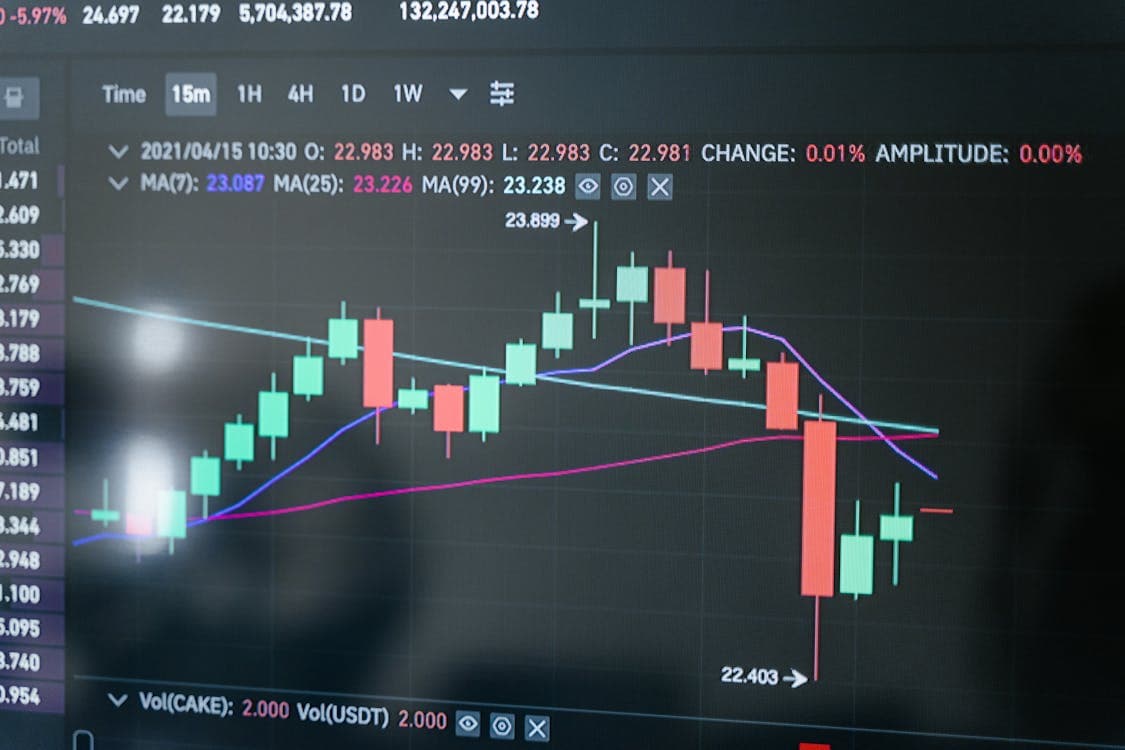
The mechanics of leverage work like a double-edged sword. When an investor puts down $20,000 of their own money and borrows $80,000 to purchase a $100,000 asset, they are using 5:1 leverage. If the asset increases 10% to $110,000, the investor's $20,000 equity grows to $30,000 — a 50% return on their own capital. However, the same magnification works in reverse: a 10% decline would cut their equity in half. This amplification effect is measured through ratios like debt-to-equity, debt-to-assets, and the interest coverage ratio, which help analysts assess whether a company or individual is using leverage prudently or dangerously.
Understanding debt and leverage is essential for personal finance, corporate strategy, and economic literacy. Companies routinely use leverage to fund expansion, acquire competitors, and optimize their capital structure, while individuals encounter leverage in mortgages, student loans, and margin investing. The 2008 financial crisis demonstrated on a global scale what happens when excessive leverage combines with declining asset values — entire financial institutions collapsed when their leveraged positions turned against them. Learning to evaluate the cost of debt, understand amortization schedules, and recognize the warning signs of overleveraging prepares students to make informed decisions whether they are managing household budgets or corporate balance sheets.
Practice a little. See where you stand.
Quiz
Reveal what you know — and what needs work
Adaptive Learn
Responds to how you reason, with real-time hints
Flashcards
Build recall through spaced, active review
Cheat Sheet
The essentials at a glance — exam-ready
Glossary
Master the vocabulary that unlocks understanding
Learning Roadmap
A structured path from foundations to mastery
Book
Deep-dive guide with worked examples
Key Concepts
One concept at a time.
Explore your way
Choose a different way to engage with this topic — no grading, just richer thinking.
Explore your way — choose one:
Curriculum alignment— Standards-aligned
Grade level
Learning objectives
- •Distinguish between secured and unsecured debt and explain how each affects interest rates and lender risk
- •Calculate and interpret key leverage metrics including debt-to-equity ratio and interest coverage ratio
- •Demonstrate through numerical examples how financial leverage amplifies both gains and losses on equity
- •Analyze an amortization schedule and explain why early loan payments are predominantly interest
- •Evaluate real-world scenarios to identify signs of overleveraging and assess financial sustainability
Related Topics
Finance
The study of how individuals, businesses, and institutions manage money, investments, and risk, encompassing corporate finance, financial markets, portfolio management, and personal financial planning.
Corporate Finance
The study of how corporations make financial decisions about funding, investment, and capital allocation to maximize shareholder value.
Compound Interest
Understand how interest earned on interest creates exponential growth, and learn to use the compound interest formula, Rule of 72, and APR vs APY for financial decisions.
Risk & Probability
How probability quantifies uncertainty in financial decisions and why understanding the risk-return tradeoff is essential for sound investing.