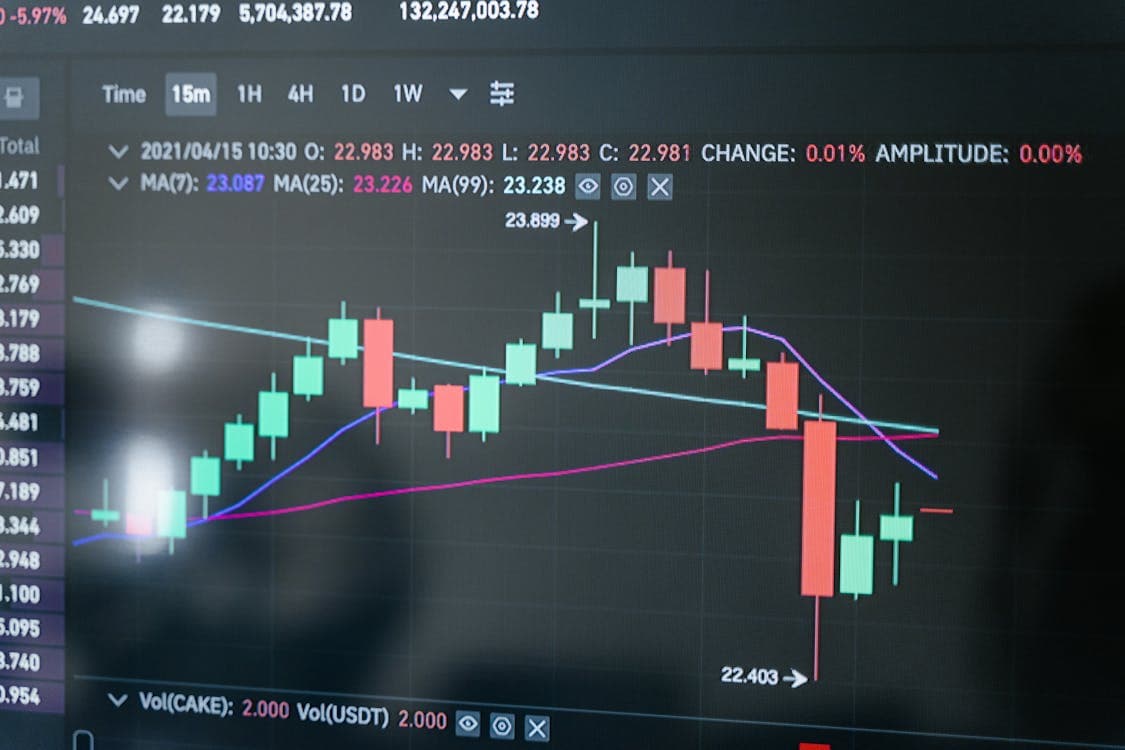
Cryptocurrency Investing
IntermediateCryptocurrency investing involves allocating capital to digital assets that use cryptographic technology and decentralized networks to facilitate transactions, store value, and execute programmable agreements. Unlike traditional financial instruments, cryptocurrencies operate on blockchain technology, a distributed ledger system that records transactions across a network of computers without relying on a central authority such as a bank or government. Bitcoin, launched in 2009 by the pseudonymous Satoshi Nakamoto, pioneered this space and remains the largest cryptocurrency by market capitalization. Since then, thousands of alternative cryptocurrencies (altcoins) have emerged, each with different use cases ranging from smart contract platforms like Ethereum to stablecoins pegged to fiat currencies.
Investing in cryptocurrencies requires understanding several unique dynamics that differentiate this asset class from stocks, bonds, or real estate. Cryptocurrency markets operate 24 hours a day, 7 days a week, and are characterized by significantly higher volatility than traditional markets. Investors must navigate concepts such as wallet management, private key security, decentralized exchanges versus centralized exchanges, on-chain analysis, tokenomics, and the distinction between layer-1 and layer-2 protocols. Additionally, the regulatory landscape for cryptocurrencies varies dramatically across jurisdictions and continues to evolve, creating both risks and opportunities for investors who stay informed.
Successful cryptocurrency investing demands a combination of technical knowledge, risk management discipline, and fundamental analysis skills. Investors employ strategies ranging from long-term holding (often called HODLing) to active trading, yield farming in decentralized finance (DeFi) protocols, and staking to earn passive rewards. Portfolio diversification across different types of crypto assets, thorough due diligence on project teams and whitepapers, and strict position sizing are essential practices. As the cryptocurrency market matures with increasing institutional adoption, spot Bitcoin ETFs, and clearer regulatory frameworks, understanding both the technological foundations and financial principles behind these digital assets has become an increasingly valuable skill for modern investors.
Practice a little. See where you stand.
Quiz
Reveal what you know — and what needs work
Adaptive Learn
Responds to how you reason, with real-time hints
Flashcards
Build recall through spaced, active review
Cheat Sheet
The essentials at a glance — exam-ready
Glossary
Master the vocabulary that unlocks understanding
Learning Roadmap
A structured path from foundations to mastery
Book
Deep-dive guide with worked examples
Key Concepts
One concept at a time.
Explore your way
Choose a different way to engage with this topic — no grading, just richer thinking.
Explore your way — choose one:
Curriculum alignment— Standards-aligned
Grade level
Learning objectives
- •Evaluate cryptocurrency projects by analyzing tokenomics, whitepapers, consensus mechanisms, and on-chain metrics to make informed investment decisions
- •Apply dollar-cost averaging, portfolio diversification, and position sizing strategies to construct a risk-managed cryptocurrency portfolio
- •Compare centralized exchanges, decentralized exchanges, and self-custody solutions to implement secure wallet management and private key protection practices
- •Analyze DeFi protocols including lending, staking, and yield farming by assessing smart contract risks, impermanent loss, and reward structures
Recommended Resources
This page contains affiliate links. We may earn a commission at no extra cost to you.
Books
The Bitcoin Standard: The Decentralized Alternative to Central Banking
by Saifedean Ammous
Mastering Bitcoin: Programming the Open Blockchain
by Andreas M. Antonopoulos
Mastering Ethereum: Building Smart Contracts and DApps
by Andreas M. Antonopoulos & Gavin Wood
Cryptoassets: The Innovative Investor's Guide to Bitcoin and Beyond
by Chris Burniske & Jack Tatar
The Infinite Machine: How an Army of Crypto-Hackers Is Building the Next Internet with Ethereum
by Camila Russo
Related Topics
Blockchain and Cryptocurrency
The study of distributed ledger technology and digital currencies that enable secure, decentralized transactions without intermediaries.
Personal Finance
Personal finance covers budgeting, saving, investing, debt management, and financial planning -- the essential skills for building financial security and achieving long-term wealth.
Stock Market Investing
The practice of buying and selling shares of publicly traded companies to build wealth, involving analysis of financial markets, valuation, and risk management.
Financial Markets
The study of organized systems where financial assets are traded, including stock exchanges, bond markets, forex, and derivatives markets.
Options Trading
The study and practice of trading options contracts, covering pricing models, the Greeks, and strategies for speculation, hedging, and income generation using calls and puts on underlying assets.
Portfolio Management
The process of building and maintaining an investment portfolio aligned with specific financial goals, risk tolerance, and time horizon through strategic asset allocation and ongoing rebalancing.
Behavioral Finance
The study of how psychological biases, cognitive errors, and emotional factors influence investor behavior, market prices, and financial decision-making.