Skip to content
Adaptive

Learn Biology

Read the notes, then try the practice. It adapts as you go.When you're ready.

Session Length

~17 min

Adaptive Checks

15 questions

Transfer Probes

8

Lesson Notes

Biology is the scientific study of life and living organisms, encompassing everything from the molecular machinery inside cells to the complex interactions of entire ecosystems. As one of the broadest and most fundamental natural sciences, biology seeks to understand the structure, function, growth, origin, evolution, and distribution of all living things. The discipline is built on a foundation of core principles including cell theory, genetics, homeostasis, energy processing, and evolution by natural selection, which together provide a unifying framework for explaining the extraordinary diversity of life on Earth.

The scope of modern biology is vast and continuously expanding. At the molecular and cellular level, biologists investigate how DNA encodes genetic information, how proteins carry out cellular functions, and how cells divide, differentiate, and communicate with one another. At the organismal level, the field explores anatomy, physiology, development, and behavior across the full spectrum of life forms, from bacteria and archaea to plants, fungi, and animals. At broader scales, ecology and evolutionary biology examine how populations interact with their environments, how species arise and go extinct, and how the biosphere functions as an interconnected system shaped by billions of years of evolution.

Biology intersects with virtually every other scientific discipline and has profound practical applications in medicine, agriculture, biotechnology, and environmental conservation. Advances in genomics, bioinformatics, and molecular techniques have revolutionized our ability to diagnose and treat diseases, engineer crops for improved yields, develop biofuels, and monitor biodiversity. Understanding biology is essential not only for aspiring scientists and healthcare professionals but for any informed citizen navigating issues such as climate change, pandemic preparedness, genetic engineering ethics, and sustainable resource management.

You'll be able to:

  • Explain the fundamental principles of cell theory, genetics, evolution, and ecology that unify biological sciences
  • Apply the scientific method to design controlled experiments that test biological hypotheses with measurable outcomes
  • Analyze the relationships between molecular, cellular, organismal, and ecosystem levels of biological organization
  • Evaluate current biological research findings by assessing experimental design, data quality, and interpretive claims

One step at a time.

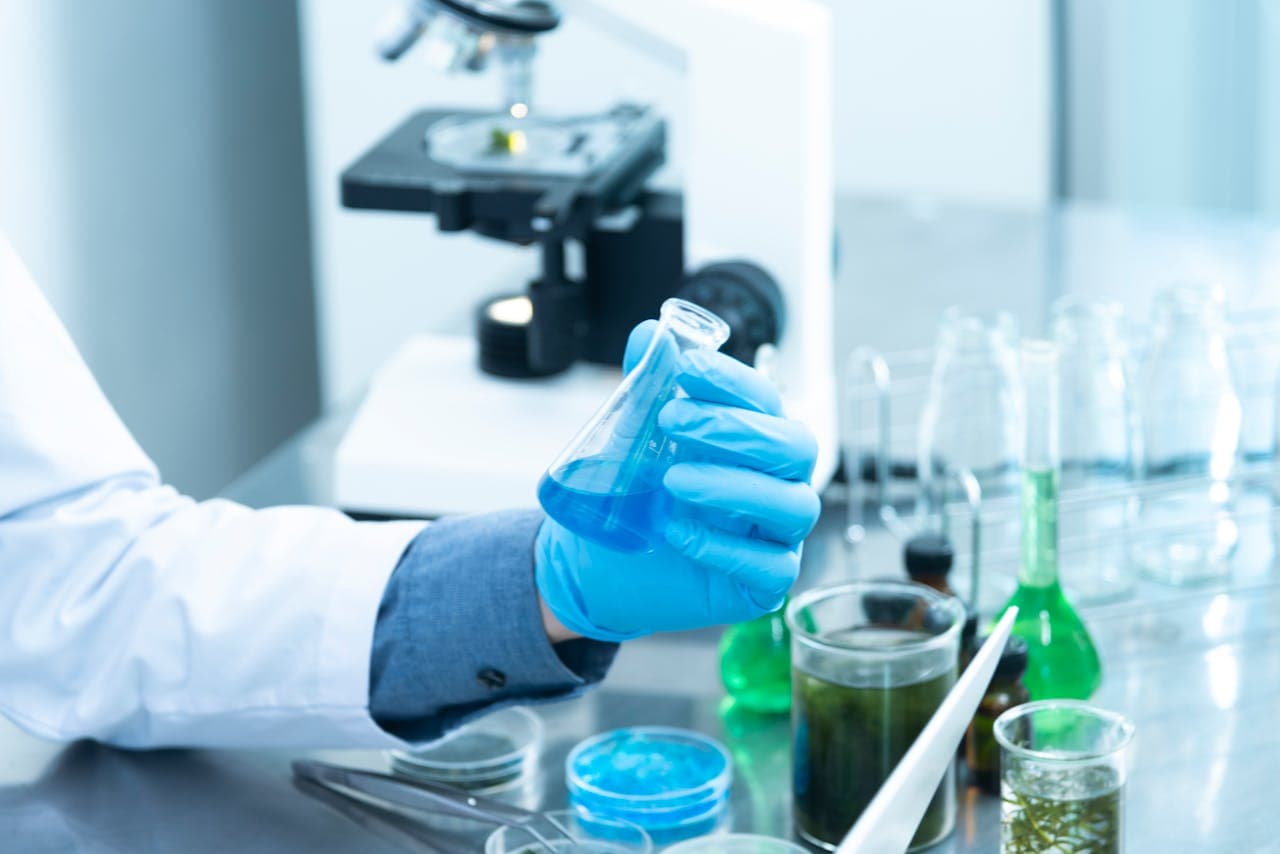
Microscopic view of biological cells
The building blocks of life under magnificationPexels

Interactive Exploration

Adjust the controls and watch the concepts respond in real time.

Key Concepts

Cell Theory

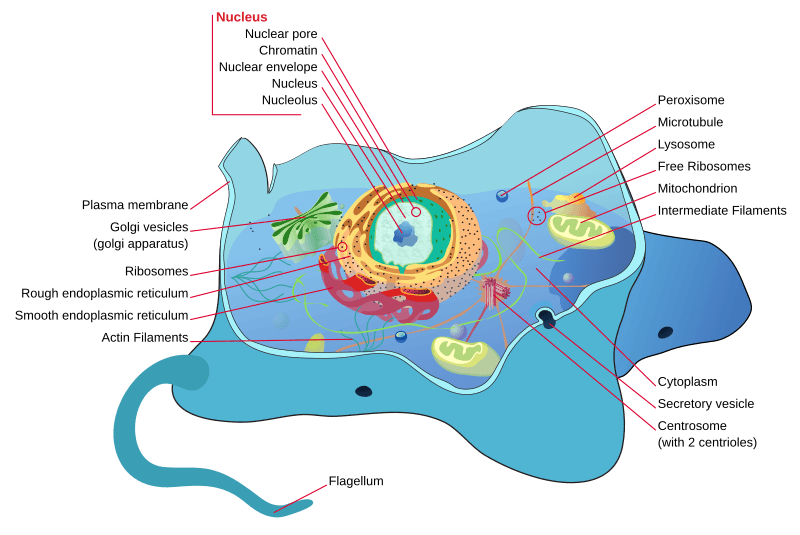
Cell theory states that all living organisms are composed of one or more cells, that the cell is the basic unit of structure and function in life, and that all cells arise from pre-existing cells. This foundational principle unifies all of biology and was established through the combined work of Schleiden, Schwann, and Virchow in the 19th century.

Diagram of a typical animal cell with labeled organelles

Example: A human body contains approximately 37 trillion cells, each performing specialized functions such as red blood cells transporting oxygen or neurons transmitting electrical signals.

Natural Selection

Natural selection is the process by which organisms with heritable traits better suited to their environment tend to survive and reproduce at higher rates than organisms without those traits. Over many generations, this differential reproductive success leads to changes in the genetic composition of populations, driving adaptation and evolution.

Example: The peppered moth in industrial England shifted from predominantly light-colored to dark-colored populations as pollution darkened tree bark, giving darker moths a survival advantage against predators.

DNA and the Genetic Code

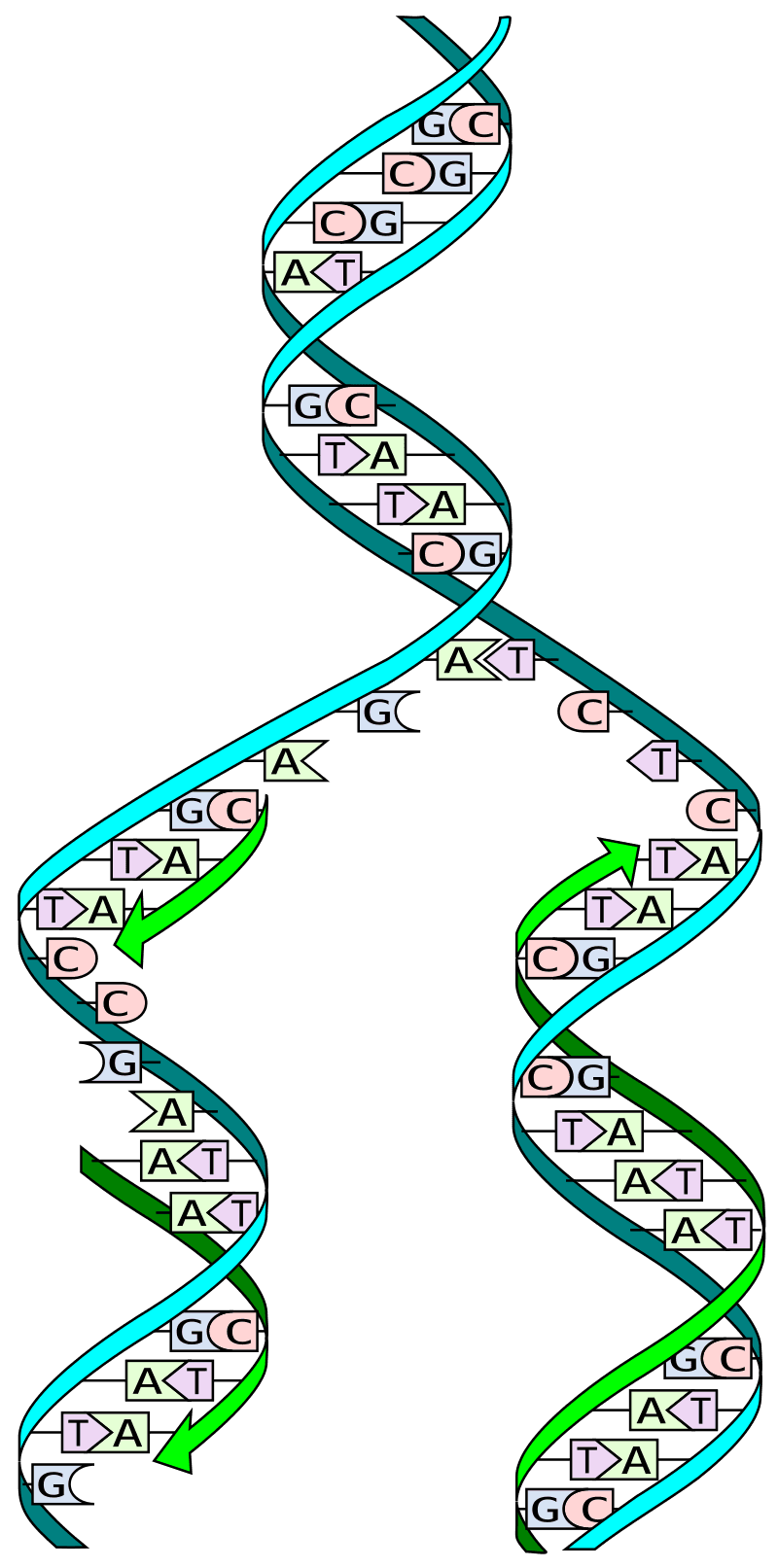
Deoxyribonucleic acid (DNA) is the molecule that carries the hereditary instructions for building and maintaining an organism. DNA is organized into genes, which are transcribed into RNA and translated into proteins according to the genetic code, a set of rules mapping three-nucleotide codons to specific amino acids.

DNA double helix structure showing base pairing

Example: The human genome contains roughly 20,000 to 25,000 protein-coding genes distributed across 23 pairs of chromosomes, with the sequence of nucleotides A, T, C, and G encoding all the information needed for human development.

Homeostasis

Homeostasis is the ability of a biological system to maintain relatively stable internal conditions despite changes in the external environment. This dynamic equilibrium is achieved through feedback mechanisms, most commonly negative feedback loops, that detect deviations from a set point and trigger corrective responses.

Example: When human body temperature rises above 37 degrees Celsius, the hypothalamus triggers sweating and vasodilation to dissipate heat and restore the temperature to its normal range.

Photosynthesis

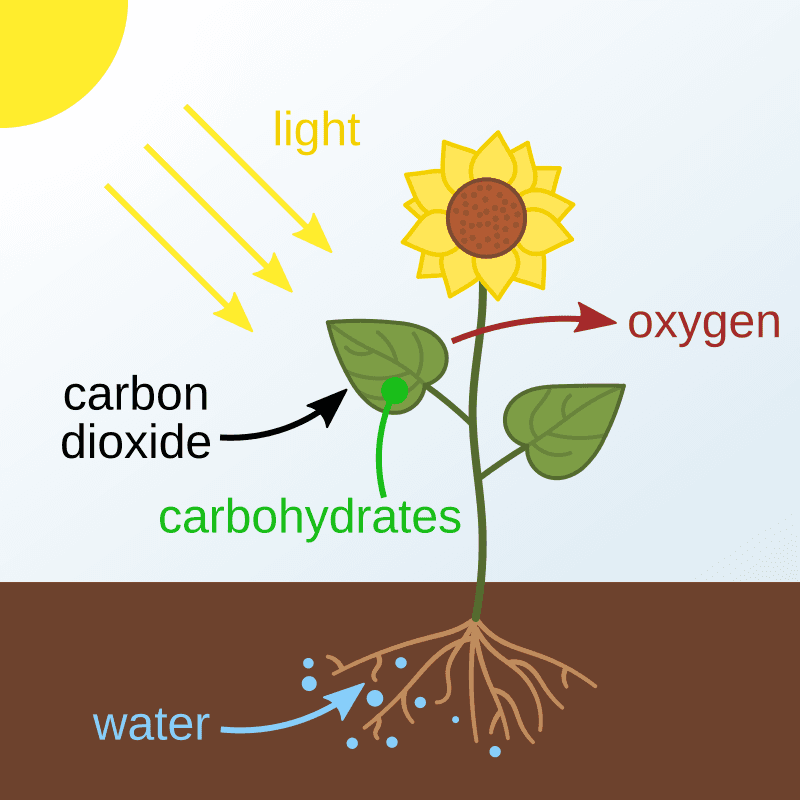
Photosynthesis is the biochemical process by which plants, algae, and certain bacteria convert light energy into chemical energy stored in glucose, using carbon dioxide and water as raw materials and releasing oxygen as a byproduct. The process occurs in two main stages: the light-dependent reactions in the thylakoid membranes and the Calvin cycle in the stroma of chloroplasts.

Overview of the photosynthesis process in a plant cell

Example: A single large oak tree can produce approximately 100,000 liters of oxygen per year through photosynthesis, sustaining the atmospheric oxygen that aerobic organisms depend upon.

Cellular Respiration

Cellular respiration is the metabolic process by which cells break down glucose and other organic molecules to produce adenosine triphosphate (ATP), the primary energy currency of the cell. The process consists of glycolysis, the citric acid cycle, and oxidative phosphorylation, and in aerobic organisms it consumes oxygen and produces carbon dioxide and water.

Example: A single molecule of glucose can yield up to 36 to 38 molecules of ATP through aerobic respiration, providing the energy needed for muscle contraction, nerve impulse transmission, and biosynthesis.

Mendelian Genetics

Mendelian genetics describes the patterns of inheritance first characterized by Gregor Mendel through his experiments with pea plants in the 1860s. Mendel's laws of segregation and independent assortment explain how alleles of genes are transmitted from parents to offspring, producing predictable ratios of phenotypes in subsequent generations.

Example: When a homozygous tall pea plant (TT) is crossed with a homozygous short pea plant (tt), all first-generation offspring are tall (Tt), and the second generation shows a 3:1 ratio of tall to short plants.

Ecosystem Dynamics

Ecosystem dynamics refers to the complex interactions among living organisms and their physical environment, including the flow of energy through trophic levels and the cycling of nutrients such as carbon, nitrogen, and phosphorus. These interactions determine the structure, biodiversity, and resilience of ecosystems.

Example: In a freshwater lake ecosystem, phytoplankton capture solar energy through photosynthesis, zooplankton consume the phytoplankton, small fish eat the zooplankton, and larger predatory fish occupy the top trophic level.

More terms are available in the glossary.

Explore your way

Choose a different way to engage with this topic β€” no grading, just richer thinking.

Explore your way β€” choose one:

Explore with AI β†’

Concept Map

See how the key ideas connect. Nodes color in as you practice.

Worked Example

Walk through a solved problem step-by-step. Try predicting each step before revealing it.

Adaptive Practice

This is guided practice, not just a quiz. Hints and pacing adjust in real time.

Small steps add up.

What you get while practicing:

  • Math Lens cues for what to look for and what to ignore.
  • Progressive hints (direction, rule, then apply).
  • Targeted feedback when a common misconception appears.

Teach It Back

The best way to know if you understand something: explain it in your own words.

Keep Practicing

More ways to strengthen what you just learned.

Biology Adaptive Course - Learn with AI Support | PiqCue