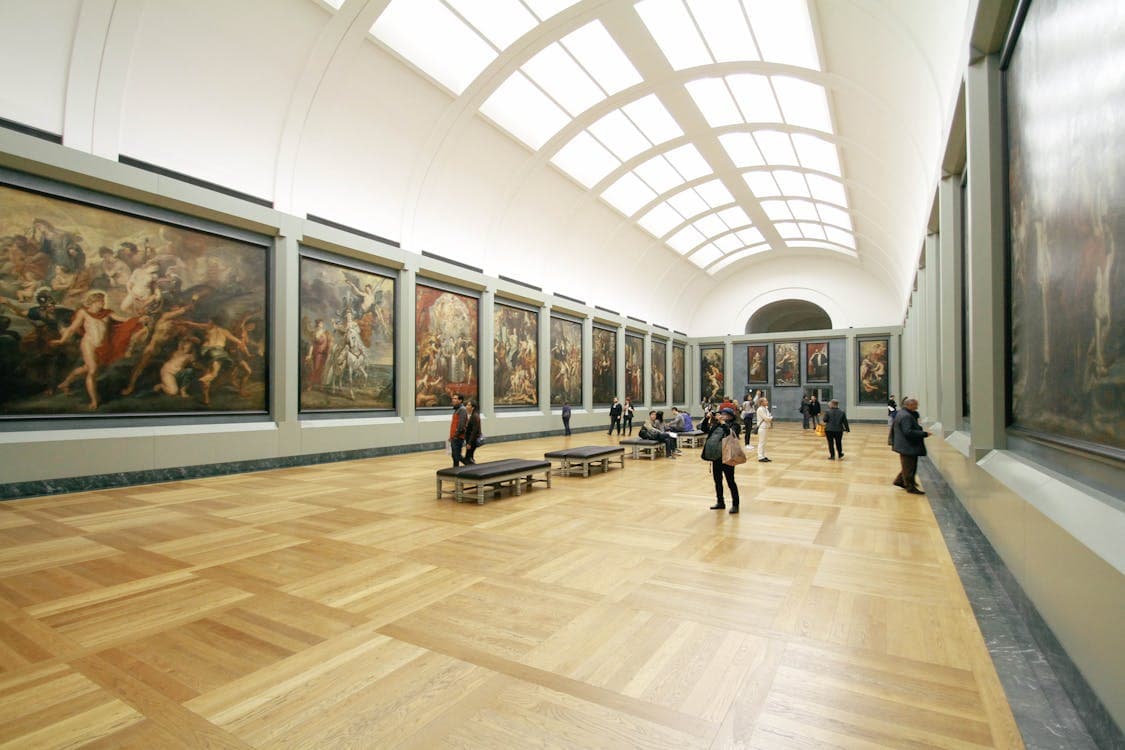
Art history traces the development of visual expression from prehistoric cave paintings through the grand traditions of the Renaissance, Baroque, and Neoclassical periods to the radical experiments of modern and contemporary art. Each major period reflects shifting aesthetic values, technological capabilities, and philosophical outlooks. The Renaissance revived classical ideals of proportion and humanism, the Baroque era embraced dramatic emotion and grandeur, Impressionism broke from academic convention to capture fleeting light and atmosphere, and Modernism shattered representational norms entirely through movements such as Cubism, Surrealism, and Abstract Expressionism.
Studying art history requires multiple analytical methods. Formal analysis examines the visual elements of a work, including line, color, composition, and texture, without reference to external context. Iconographic analysis, developed by scholars such as Erwin Panofsky, decodes the symbolic meaning embedded in imagery. Social art history situates works within their economic, political, and cultural circumstances, considering factors like patronage, audience, and the art market. Together, these approaches allow scholars to move beyond mere appreciation toward a rigorous understanding of why art looks the way it does and what it communicates.
Art history also illuminates the cultural contexts that shape creative production. From the ecclesiastical patronage that funded Gothic cathedrals to the avant-garde manifestos that fueled twentieth-century movements, art is inseparable from the societies that produce it. In the modern and contemporary era, artists have engaged with issues of identity, colonialism, globalization, and technology, expanding the very definition of what constitutes art. Understanding these contexts transforms the viewer from a passive observer into an informed interpreter capable of engaging critically with visual culture across time and place.