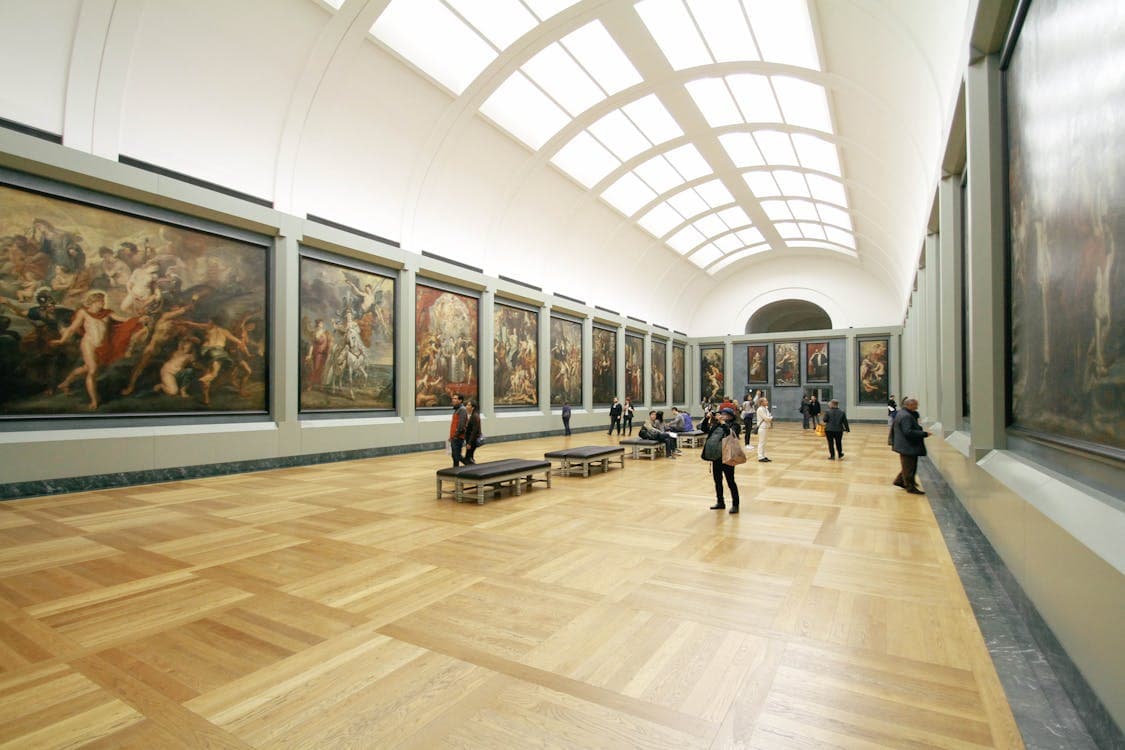
Architecture is the art and science of designing and constructing buildings and other physical structures that shape the human environment. It encompasses far more than mere shelter; architecture synthesizes aesthetics, engineering, cultural expression, environmental responsibility, and social purpose into coherent built form. From the ancient pyramids of Giza to the soaring skyscrapers of modern cities, architecture reflects the values, technologies, and aspirations of the civilizations that produce it. The discipline requires mastery of both creative vision and technical rigor, balancing artistic expression with structural integrity, building codes, material science, and the practical needs of occupants.
The history of architecture traces an extraordinary arc through human civilization. Classical orders developed by the Greeks and Romans established foundational principles of proportion and harmony that continue to influence design today. The Gothic cathedrals of medieval Europe pushed stone construction to breathtaking heights through innovations like flying buttresses and ribbed vaults. The Renaissance revived classical ideals, while the Industrial Revolution introduced iron, steel, and glass as transformative building materials. The twentieth century witnessed explosive innovation, from the organic forms of Frank Lloyd Wright to the radical minimalism of Mies van der Rohe, the Brutalist experiments in raw concrete, and the deconstructivist provocations of Zaha Hadid and Frank Gehry.
Contemporary architecture grapples with some of the most pressing challenges of our time. Sustainable design and green building practices have moved from niche concerns to central imperatives as the built environment accounts for roughly 40 percent of global carbon emissions. Parametric design and computational tools enable architects to explore complex geometries and optimize building performance in ways previously impossible. Adaptive reuse, biophilic design, resilient urbanism, and inclusive design for diverse populations represent expanding frontiers of the discipline. Whether designing a single-family home or master-planning an entire city district, architects must navigate the intersection of art, technology, culture, economics, and environmental stewardship.