Architecture
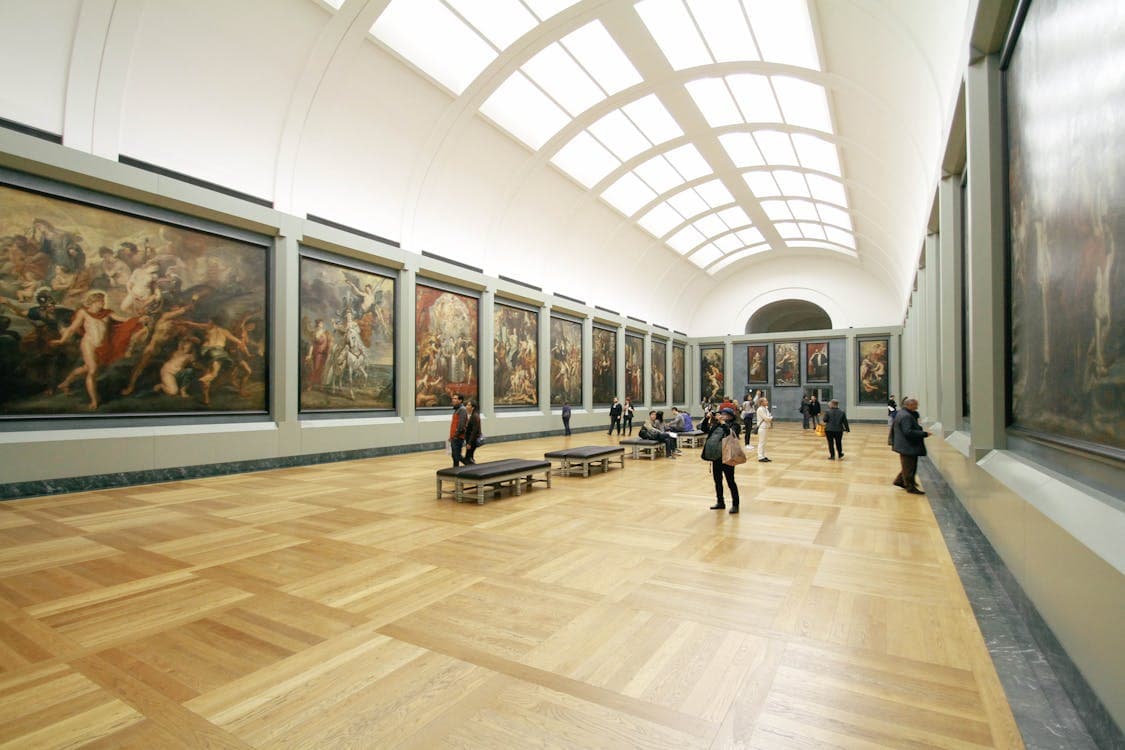
IntermediateArchitecture is the art and science of designing and constructing buildings and other physical structures that shape the human environment. It encompasses far more than mere shelter; architecture synthesizes aesthetics, engineering, cultural expression, environmental responsibility, and social purpose into coherent built form. From the ancient pyramids of Giza to the soaring skyscrapers of modern cities, architecture reflects the values, technologies, and aspirations of the civilizations that produce it. The discipline requires mastery of both creative vision and technical rigor, balancing artistic expression with structural integrity, building codes, material science, and the practical needs of occupants.
The history of architecture traces an extraordinary arc through human civilization. Classical orders developed by the Greeks and Romans established foundational principles of proportion and harmony that continue to influence design today. The Gothic cathedrals of medieval Europe pushed stone construction to breathtaking heights through innovations like flying buttresses and ribbed vaults. The Renaissance revived classical ideals, while the Industrial Revolution introduced iron, steel, and glass as transformative building materials. The twentieth century witnessed explosive innovation, from the organic forms of Frank Lloyd Wright to the radical minimalism of Mies van der Rohe, the Brutalist experiments in raw concrete, and the deconstructivist provocations of Zaha Hadid and Frank Gehry.
Contemporary architecture grapples with some of the most pressing challenges of our time. Sustainable design and green building practices have moved from niche concerns to central imperatives as the built environment accounts for roughly 40 percent of global carbon emissions. Parametric design and computational tools enable architects to explore complex geometries and optimize building performance in ways previously impossible. Adaptive reuse, biophilic design, resilient urbanism, and inclusive design for diverse populations represent expanding frontiers of the discipline. Whether designing a single-family home or master-planning an entire city district, architects must navigate the intersection of art, technology, culture, economics, and environmental stewardship.
Practice a little. See where you stand.
Quiz
Reveal what you know — and what needs work
Adaptive Learn
Responds to how you reason, with real-time hints
Flashcards
Build recall through spaced, active review
Cheat Sheet
The essentials at a glance — exam-ready
Glossary
Master the vocabulary that unlocks understanding
Learning Roadmap
A structured path from foundations to mastery
Book
Deep-dive guide with worked examples
Role-play
Think like an expert — no grading
Key Concepts
One concept at a time.
Explore your way
Choose a different way to engage with this topic — no grading, just richer thinking.
Explore your way — choose one:
Curriculum alignment— Standards-aligned
Grade level
Learning objectives
- •Identify the defining features of major architectural movements from classical orders through contemporary parametric design
- •Apply principles of structural systems, spatial organization, and environmental design to architectural problems
- •Analyze buildings and urban spaces in terms of form, function, materiality, and cultural significance
- •Design architectural solutions that integrate aesthetic vision, structural integrity, and sustainable building practices
Recommended Resources
This page contains affiliate links. We may earn a commission at no extra cost to you.
Books
Related Topics
Urban Planning
The interdisciplinary practice of designing, regulating, and managing land use, infrastructure, and public spaces to create functional, equitable, and sustainable urban communities.
Interior Design
The art and science of planning and designing interior spaces to optimize aesthetics, functionality, and occupant well-being through the coordinated use of color, materials, lighting, and spatial arrangement.
Civil Engineering
The engineering discipline focused on designing, constructing, and maintaining infrastructure such as bridges, roads, dams, and buildings that form the backbone of modern civilization.
Art History
The study of visual arts across cultures and centuries, examining how painting, sculpture, and architecture reflect evolving aesthetic ideals, social conditions, and philosophical ideas from antiquity to the present day.
Environmental Science
An interdisciplinary field studying the interactions between Earth's natural systems and human activities, focused on understanding and solving environmental problems.
Graphic Design
The practice of creating visual content to communicate messages, combining typography, imagery, color, and layout to solve communication problems and engage audiences.
Philosophy
The systematic study of fundamental questions about existence, knowledge, values, reason, and reality, spanning traditions from ancient Greece and Asia to modern analytic and continental thought.